

How Colombia Gained Independence: History, Context, and Places to Visit in Bogotá Today
Colombia’s independence is one of the most important historical processes in Latin America. It was not an isolated event or a spontaneous outbreak, but rather a political, social, and military movement that unfolded between 1810 and 1819. This period was marked by local uprisings, Enlightenment ideas, colonial tensions, and a long struggle for freedom.
Visiting Bogotá today allows you to walk through many of the places where this history unfolded. For those who want to dive even deeper, a historical tour about Colombia’s conflict in Bogotá is an excellent way to understand how the country evolved from colonial times to the present day.
July 20, 1810: The Day It All Began
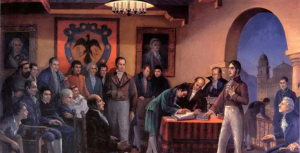
The Colombian independence process is officially traced back to the Cry of Independence, which took place on July 20, 1810, in Santafé (today Bogotá).
On that day, what seemed like a minor dispute—the loan of a vase to Spanish merchant José González Llorente—became the spark for a group of criollos (locally born people of Spanish descent) seeking to challenge Spanish rule. The disagreement escalated, citizens were called to the Plaza Mayor, and a local governing council (Junta de Gobierno) was demanded.
Although the vase incident may seem trivial, it opened the door to a political process that would eventually lead to formal independence from Spain.
To better understand this context and how colonial history shaped modern Colombia, a free War and Peace tour in Bogotá is a great option, visiting key sites related to conflict, memory, and Colombia’s transformation.
Before the Cry: Rebellions, Inequalities, and Ideas that Changed the Continent
Independence did not happen overnight. Dissatisfaction had been brewing for decades. Key contributing factors included:
- The Comuneros Rebellion (1781): a popular uprising against excessive taxes and colonial abuses.
- The circulation of Enlightenment ideas, promoted by figures like Antonio Nariño, who translated the Declaration of the Rights of Man and of the Citizen.
- The crisis of the Spanish monarchy, weakened by Napoleon’s invasion.
- Autonomy demands from criollo elites, who were excluded from colonial administration despite their economic influence.
These elements created the ideological and emotional foundation that erupted in 1810.
For travelers interested in political history, Bogotá offers cultural routes connecting these historical events with modern processes, including armed conflict and peace agreements.
From Revolt to War (1810–1819)
After July 20, New Granada entered a politically complex period: provinces clashed with each other, federalists and centralists argued over governance, and royalist troops attempted to reconquer the territory.
In 1816, Spanish forces temporarily regained control, reinstating authorities and repressing independence leaders.
However, the drive for independence did not die. From Venezuela and the Eastern Plains, Simón Bolívar reorganized resistance and launched the campaign that would change the fate of the continent.
1819: The Battle of Boyacá and Final Victory
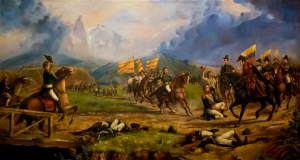
On August 7, 1819, the independence forces decisively defeated the Spanish at the Battle of Boyacá, marking the end of colonial rule in the territory.
This victory led to the establishment of Gran Colombia, a republic that at the time encompassed modern-day Colombia, Venezuela, and Ecuador.
Historical Places to Visit in Bogotá
Bogotá preserves essential sites for understanding independence, many of which form part of Colombia’s national heritage:
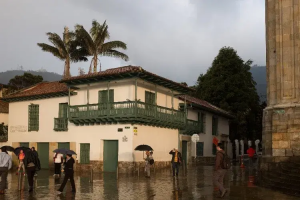
Museum of Independence – Casa del Florero: Located in front of Plaza de Bolívar, where the July 20 incident began.
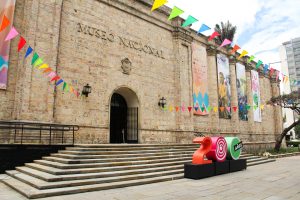
National Museum of Colombia: One of the oldest museums in the Americas, featuring artifacts from colonial and republican times.
La Candelaria: The historic neighborhood where much of the political and social activity of the 19th century took place.
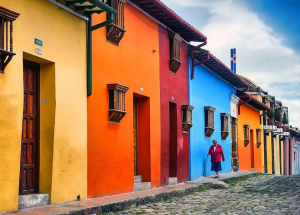
For a deeper understanding, consider a walking tour of Bogotá’s historic center that connects independence history with modern issues such as armed conflict, drug trafficking, and peace processes.
To Understand the Present, You Must Understand the Past
Colombia’s independence not only marked the birth of a nation but also left a legacy of political struggles, aspirations for freedom, and tensions that continue to influence society today.
For many travelers, the best way to connect history with reality is through a guided tour about Colombia’s armed conflict and narcotrafficking in Bogotá, which explains how independence, centralization, and violence have shaped the country to this day.
Conclusion
Colombia’s independence is a fascinating, complex, and deeply human process. Learning about it allows you to see Bogotá with new eyes: every street, museum, and plaza tells a story.
For an educational, accessible, and contextualized experience, consider adding a Tour of Bogotá’s history in English or any local cultural tour that links the past and the present to your itinerary.











Comments